Unearthing Byzantine Gold: 7th-Century Shipwreck Treasure Discovered Off Croatia
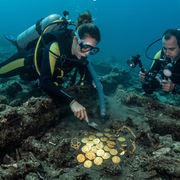
Maritime archaeology continues to reveal breathtaking glimpses of antiquity. Off the coast of the Croatian island of Mljet, underwater divers have successfully raised a magnificent 7th-century Byzantine shipwreck cargo, unearthing a rare trove of imperial wealth that illuminates the geopolitics of the early medieval Mediterranean.
Unlocking a Byzantine Maritime Treasure
The remarkable find includes over 600 grams of gold, pristine imperial solidi, and luxurious belt fittings encrusted with precious stones. Among the most significant artifacts is a rare gold signet ring associated with high-ranking imperial administration. Experts suggest that the vessel was not carrying routine commercial cargo, but rather transporting valuables tied to an important political or military envoy.
Significance for Early Medieval History
Discoveries of this scale provide vital context regarding trade networks, craftsmanship, and naval logistics during the Heraclian dynasty. By meticulously mapping and recovering these precious artifacts, researchers are piecing together how maritime routes sustained the Byzantine Empire's reach across the Adriatic region.
Further Exploration
For deeper context into historical architecture and artifact studies, explore these related resources:
- Investing in Artifacts — Professional guidance on building your collection responsibly.
- Ancient Diets — Insights into the daily lives and resources of past cultures.

Comments
Post a Comment